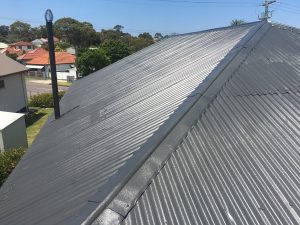
Lasting performance comes from careful choices, and that’s our focus from day one. We look at your layout and local weather to build a workable plan that guards against leaks and early wear. With the right team, tiny steps matter, from shingle fasteners to drip edges. We verify details at each step so problems don’t travel into your attic or siding. If you’re comparing options for roofing, consider life-cycle cost. A careful inspection finds risks before they spread, saving both time and money. We keep it honest and concrete so you can decide with confidence. You get clarity on costs and timing, and a finish that stands up to real weather.
Define the work clearly for realistic milestones and smooth starts
Good projects begin with specific targets and simple milestones. We often map a two-visit plan around your week, and roofing contractor we lock in steps so there are no surprises. We start with a roof walk, then photos and notes on flashing, vents, and valleys. We capture pitch and span to size materials and plan safe access. This keeps the start clean. You can track progress without guessing.
In a small retail strip, we block half a day for tear-off and sorting. Bigger footprints need staging space, and we plan dumpsters and delivery routes ahead. When neighbors share driveways, we set quiet hours and move trucks off-peak. These small moves reduce friction, and keep the workflow tight. Defined lines stop add-ons from spiraling.
Select proven materials with regional specs and tested accessories
Materials make or break how long a roof lasts. On homes facing strong sun and freeze-thaw, we pair impact-rated shingles with ice barriers, and roofing contractor we spec metal flashing that resists galvanic stain. Fastener length matches deck thickness to avoid back-out in wind. Balanced flow at soffits and ridge keeps the deck cooler and drier. That reduces winter ice and summer curl.
At low-slope sections, we add a membrane layer under the main field. Transitions are leak-prone, so we double-check lap lines and sealant cure times. If the plan includes siding installation on a gable wall, we stage trims in sequence for a tighter seal. When skylights stay, we rebuild step flashing by the book. These inputs cost a bit more, yet they prevent return trips.
Sequence the workflow to cut exposure and keep sites cleaner
A tight calendar dodges storms. We track forecasts and line up tear-off just before dry stretches, then roofing contractor we fast-track dry-in so rain can’t reach the deck. Ground tarps and nail magnets protect yards and walks. We strap ladders to avoid movement in gusts. Neighbors appreciate quiet windows, and you get fewer headaches.
A simple schedule helps everyone know what’s next. Crew B installs ice shield, while the lead checks vents and flashing kits. If we’re booked for roof installation on a two-family, we coordinate entry times so access stays clear. At day’s end, photos go out, keeping questions down. This rhythm prevents loose ends.
Tighten quality controls to avoid leaks before they start
Strong roofs come from repeatable checks. We inspect nail lines, shingle reveals, and kick-out flashing with a simple 20-point list, and roofing contractor we document any fix on the spot. Shingles seat right when warm, so we stage installs after sun hits the slope. We pick the right valley style based on pitch and runoff. That stops cut-edge wicking.
When a homeowner calls about roof repair after hail, we test soft metals and match the pattern to the storm date. When wear is beyond patching, we discuss roof replacement with photos, samples, and cost tiers. Tight leaks can be sealed when the deck is sound. Either way, you see clear evidence, and the choice is informed. Documented steps protect warranties.
Align costs with goals and pick what truly matters long-term
Money should match outcomes. We break the quote into labor, deck repairs, accessories, and waste, and roofing contractor we show options in good-better-best tiers. If storms are common, higher-rated shingles and enhanced vents are worth it. Calmer zones can dial back and invest instead in seamless gutter installation for drainage control. The aim is sensible trade-offs.
When timing is tight, we shape the plan around one crew with extended hours. Flexible starts can cut cost if your calendar allows. If you prefer a single contact, a roofing contractor can coordinate trades and inspections. For groups managing a duplex, a second roofing contractor may speed approvals with the township. Clarity keeps surprises out, and your spend tracks the plan.
Conclusion Strong roofs come from clear scope, right materials, smart timing, and steady checks. Each choice reduces risk and builds value you can feel in every season. Whether it’s a quick tune-up or full-scale work, a reliable roofing company guides you through options without jargon. With that approach, roof installation stays predictable and siding installation fits cleanly into the timeline.
(Image: https://www.protecmarine.com.au/wp-content/uploads/2020/02/C2Bw-fvUAAE6uVF-300x225.jpg)