
Tianeptine, a unique antidepressant with a distinct mechanism of action, has garnered increasing attention in recent years. Originally developed in France in the 1960s, it is primarily used for the treatment of major depressive disorder (MDD) and anxiety disorders. Unlike traditional antidepressants that primarily target serotonin levels, Tianeptine is known to enhance the reuptake of serotonin, which has led to both intrigue and controversy surrounding its efficacy and safety profile. This article aims to provide an observational analysis of Tianeptine, Nordic Chems examining its market trends, usage patterns, and consumer perceptions.
(Image: https://nordicchems.is/cdn/shop/files/8.png?v\u003d1749632177\u0026width\u003d1080) Background and Mechanism of Action
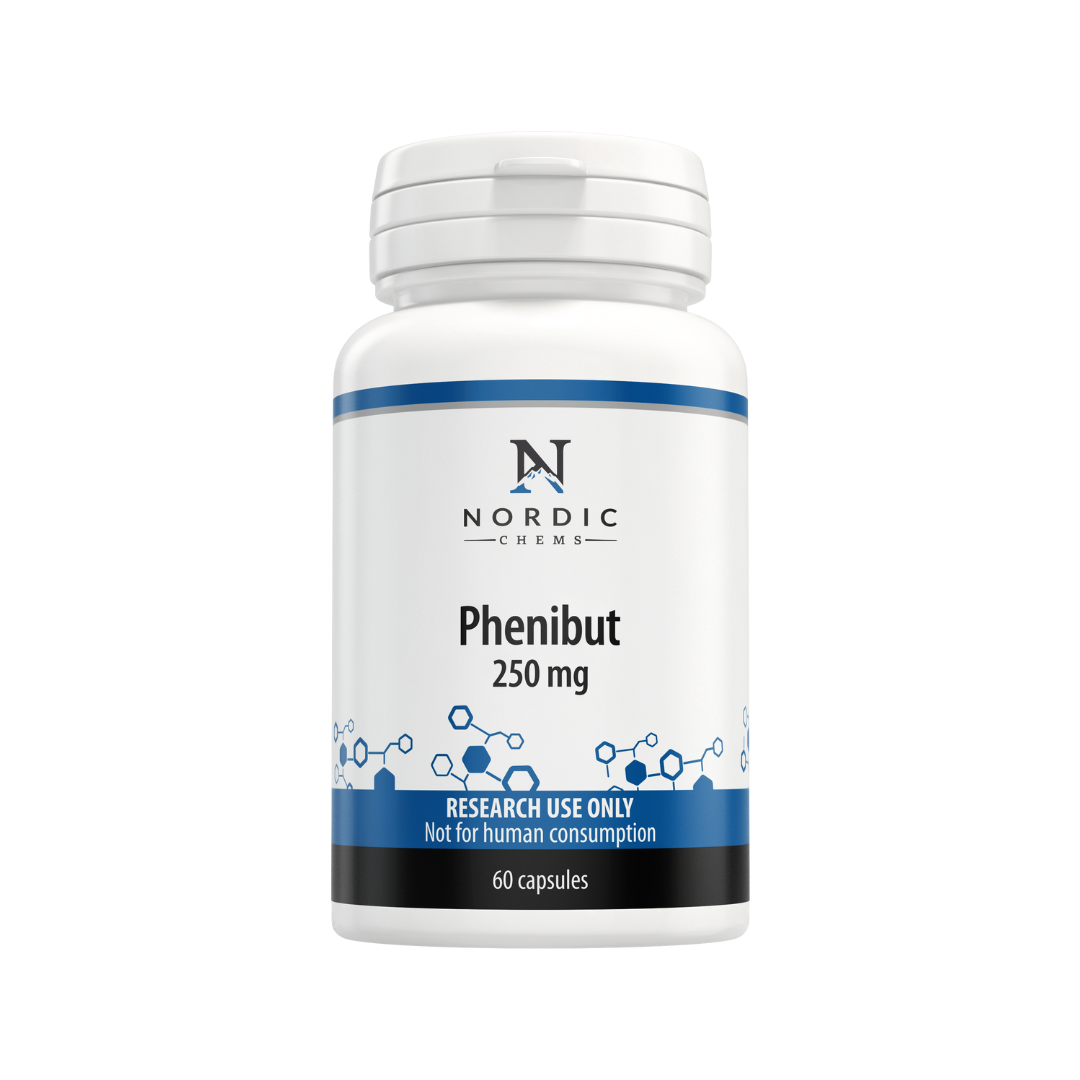
Tianeptine, chemically known as 1-(3,4-dichlorophenyl)-5-methyl-2,4-thiazolidinedione, is classified as a selective serotonin reuptake enhancer (SSRE). Its unique mechanism of action differentiates it from conventional antidepressants, which typically inhibit serotonin reuptake. Tianeptine is believed to modulate glutamate activity and enhance neuroplasticity, potentially leading to improved mood and cognitive function. This novel approach has attracted interest from both medical professionals and patients seeking alternative treatment options for depression and anxiety.
Market Availability and Trends
Despite being approved for use in several countries, including France, Italy, and Japan, Tianeptine is not FDA-approved in the United States. However, it has found its way into the online market, where it is sold as a dietary supplement or research chemical. This unregulated availability has raised concerns about the quality, safety, and legality of the product.
Observational data indicates a steady increase in the online sale of Tianeptine, particularly through e-commerce platforms and niche websites. A search on popular online marketplaces reveals a variety of Tianeptine products, often marketed under different names such as „Tianeptine Sodium“ or „Tianeptine Sulfate.“ Prices typically range from $30 to $100 for a month’s supply, depending on the dosage and brand.
Usage Patterns
An observational study conducted through online forums and social media platforms reveals a diverse demographic using Tianeptine. Users range from young adults to middle-aged individuals, with a notable presence among those who have previously tried other antidepressants without success. Many users report turning to Tianeptine as a last resort, seeking relief from chronic depression, anxiety, or stress-related disorders.
The typical dosage reported among users varies widely, with some taking as little as 12.5 mg per day, while others exceed recommended doses, sometimes reaching up to 100 mg. This variability raises concerns about potential misuse, dependence, and withdrawal symptoms associated with higher doses. Anecdotal evidence suggests that some users experience a euphoric effect at higher doses, which may contribute to the risk of abuse.
Efficacy and User Experiences
The efficacy of Tianeptine remains a topic of debate among users and healthcare professionals. While some individuals report significant improvements in mood, energy levels, and overall well-being, others express dissatisfaction, citing minimal or no effects. A survey conducted among online users indicated that approximately 60% of respondents experienced positive effects, while 40% reported little to no benefit.
Commonly reported benefits of Tianeptine include reduced anxiety, improved focus, and enhanced emotional resilience. Users often describe a sense of calm and well-being, with many noting that Tianeptine helps them manage daily stressors more effectively. However, negative experiences are also documented, with some users reporting side effects such as gastrointestinal issues, headaches, and dizziness.
Safety and Side Effects
Despite its potential benefits, the safety profile of Tianeptine remains a concern. The lack of regulatory oversight in the online market raises questions about product purity and dosage accuracy. Users often report variability in the effects of different brands, leading to uncertainty regarding the safety of the product they are consuming.
Withdrawal symptoms have been a significant concern among users who have developed a dependence on Tianeptine. Reports of withdrawal include symptoms such as anxiety, irritability, insomnia, and flu-like symptoms. These experiences highlight the need for caution among users, particularly those who may be prone to substance use disorders.
Regulatory Landscape
The regulatory status of Tianeptine varies significantly across countries. In France, it is prescribed as a medication, while in the United States, it is classified as an unregulated supplement. This discrepancy creates challenges for healthcare providers and patients alike. Patients seeking Tianeptine may find it readily available online, but the lack of oversight raises concerns about the quality and safety of the products being sold.
The World Health Organization (WHO) has not classified Tianeptine as a controlled substance, but some countries have begun to take action against its unregulated sale. In 2020, the state of Arkansas in the U.S. classified Tianeptine as a controlled substance, reflecting growing concerns about its potential for misuse and dependence. As awareness of Tianeptine's effects continues to spread, it is likely that more jurisdictions will consider regulatory measures.
Consumer Perceptions and Testimonials
Consumer perceptions of Tianeptine are influenced by various factors, including personal experiences, anecdotal reports, and media coverage. Online forums serve as a platform for users to share their stories, leading to the formation of communities centered around Tianeptine use. These platforms often feature testimonials praising Tianeptine for its rapid onset of action compared to traditional antidepressants, which may take weeks to show effects.
However, the anecdotal nature of these testimonials raises concerns about the reliability of the information being shared. Users may be motivated to share positive experiences, while negative experiences may go unreported. This bias can create a skewed perception of Tianeptine's efficacy and safety.
Conclusion
Tianeptine presents a complex case in the realm of mental health treatment. Its unique mechanism of action, coupled with the growing interest in alternative therapies, has led to its increased availability and usage. However, the lack of regulatory oversight, potential for misuse, and variable user experiences raise important questions about its safety and efficacy.
As Tianeptine continues to be sold online and used by individuals seeking relief from depression and anxiety, it is crucial for healthcare professionals to remain informed about its effects and potential risks. Future research is needed to establish a clearer understanding of Tianeptine's long-term effects, optimal dosing strategies, and safety profile. Until then, consumers should exercise caution and consult healthcare providers before considering Tianeptine as a treatment option.
In summary, Tianeptine's journey from a prescription medication to an unregulated supplement highlights the complexities of mental health treatment in the modern age. As more individuals turn to alternative therapies, it is essential to prioritize safety, efficacy, and informed decision-making in the pursuit of mental well-being.